Categories
Groovestar News Mike's Blog

Groovestar’s Spring Concert 2024

To give you a brief history, Groovestar started in 2002, beginning with its independent record label, producing songs and writing music for documentaries.

Since then, I went off to Goldsmiths for about twenty years – studying many modules, one including music in healthcare, which caught my attention.

In 2016, thanks to my former piano tutor – encouraged me to teach. I found I had a knack for it and thoroughly enjoyed helping people learn about music and piano performance.

Groovestar expanding, Garry our new Director on the team and we were finding new outlets to help and educate people who need or want it.

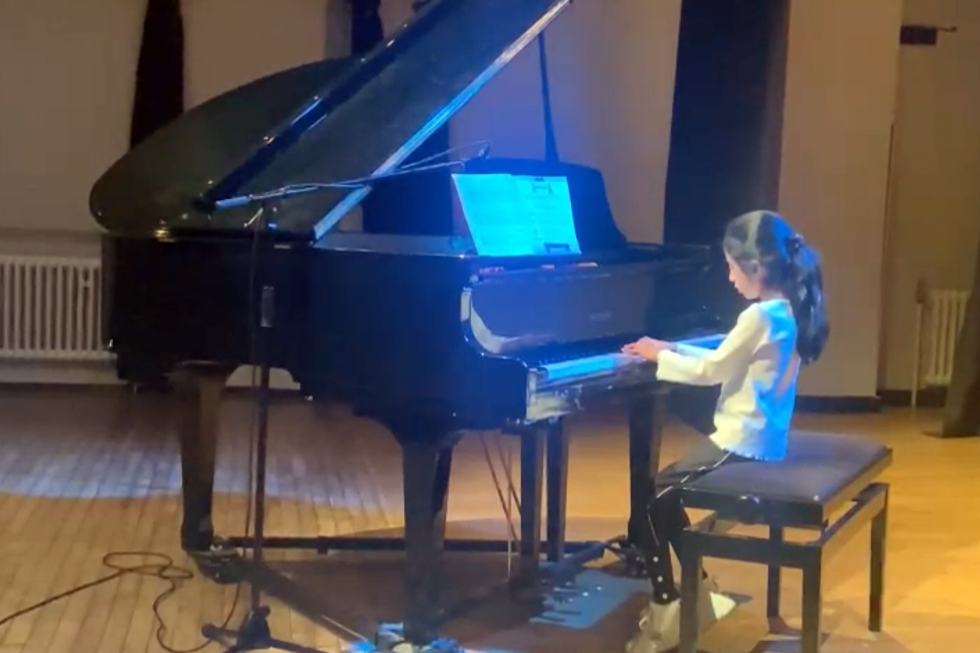
This year’s concert may have not been the biggest, but for the parents and students that turned up, it has by far been the best in my opinion. The children dedicated so much time to practice (and with the support of their parents) turned out some outstanding performances.

It was awesome to have children with learning difficulties, showing the rest that they have a gift for music.

Everyone there that night had their own special part to play. It was a caring, supportive environment where children’s creativity and performance ability was encouraged to inspire. Here’s to the next event.

Well done everyone!

Michael
26/05/2024
Categories
Garry's Blog Groovestar News

It’s World Hearing Day!

It’s World Hearing Day on Sunday 3 March. And we want to spread awareness that music can be shared with and enjoyed by people experiencing hearing loss. So, we spoke to Anna, one of our music therapists, who shared her top tips for making music with people who are hearing impaired.

Make sure to look at the person you’re making music with

It’s important to remember to face towards the person you’re making music with if they’re hearing impaired. This will ensure that it’s as easy as possible for them to lipread or understand any gestures that you make.

Good lighting – it’s a must!

Good lighting can be really important when making music with someone who is hearing impaired. This will ensure that they’re able to see your face clearly the entire time!

Why not try other methods of communication?

Remember that spoken language isn’t the only method of communication – and there are other ways that may be helpful to people who experience hearing loss. Some examples are British Sign Language (BSL), Makaton or visual cues such as pictures or printed lyrics. Even exaggerated hand or body movements can be a helpful way to communicate, especially whilst singing!