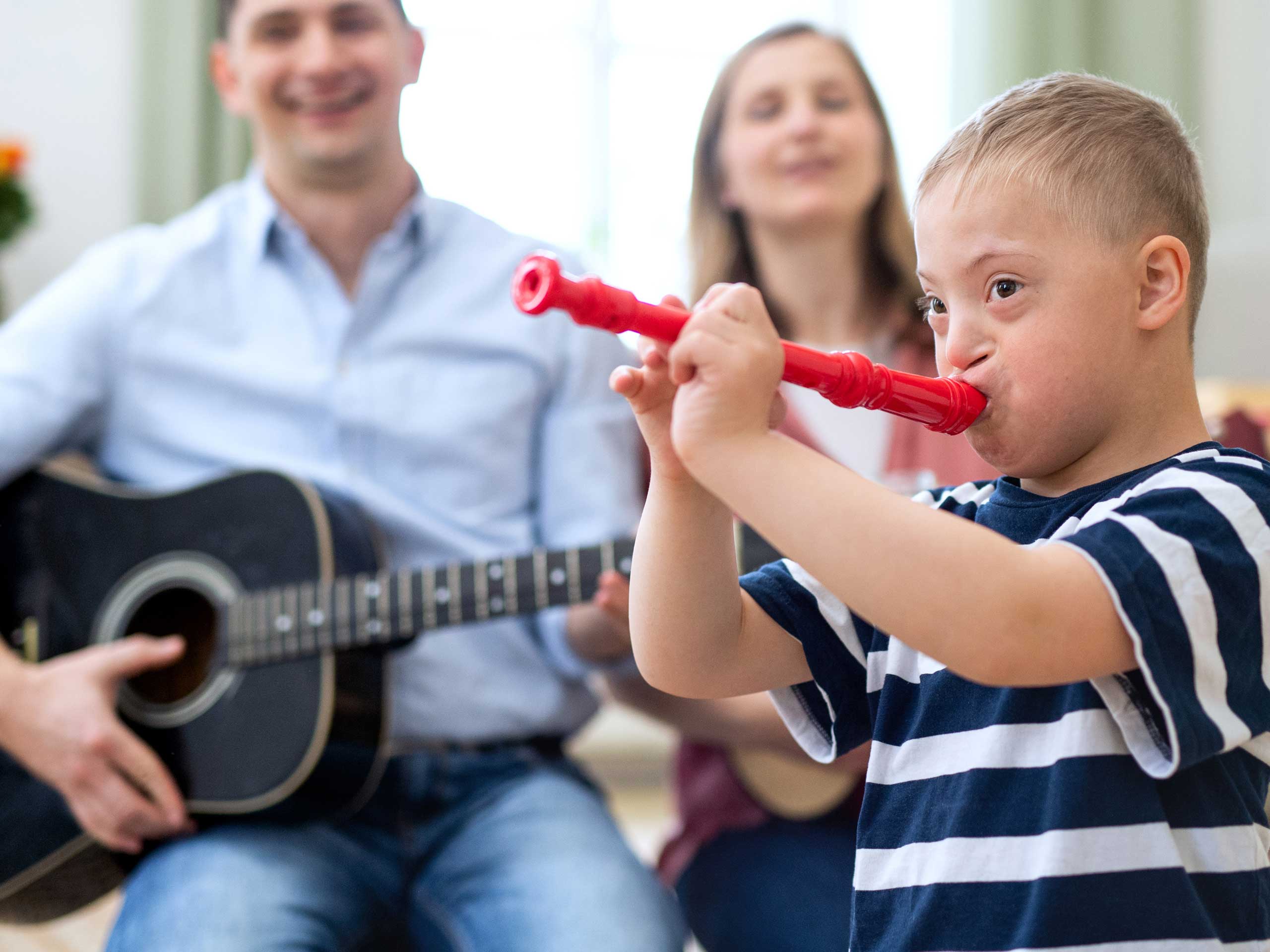
Music Therapy is a form of psychotherapeutic treatment, provided by fully accredited professionals, utilising the healing properties of music to help lift the mood and improve overall well-being. Music Therapy can either be a passive, or active intervention. It can involve listening to and responding to music, or actively participating in: playing instruments, making music, writing songs, singing, dancing, or learning music theory.
Music Therapy is a form of psychotherapeutic treatment, provided by fully accredited professionals, utilising the healing properties of music to help lift the mood and improve overall well-being.
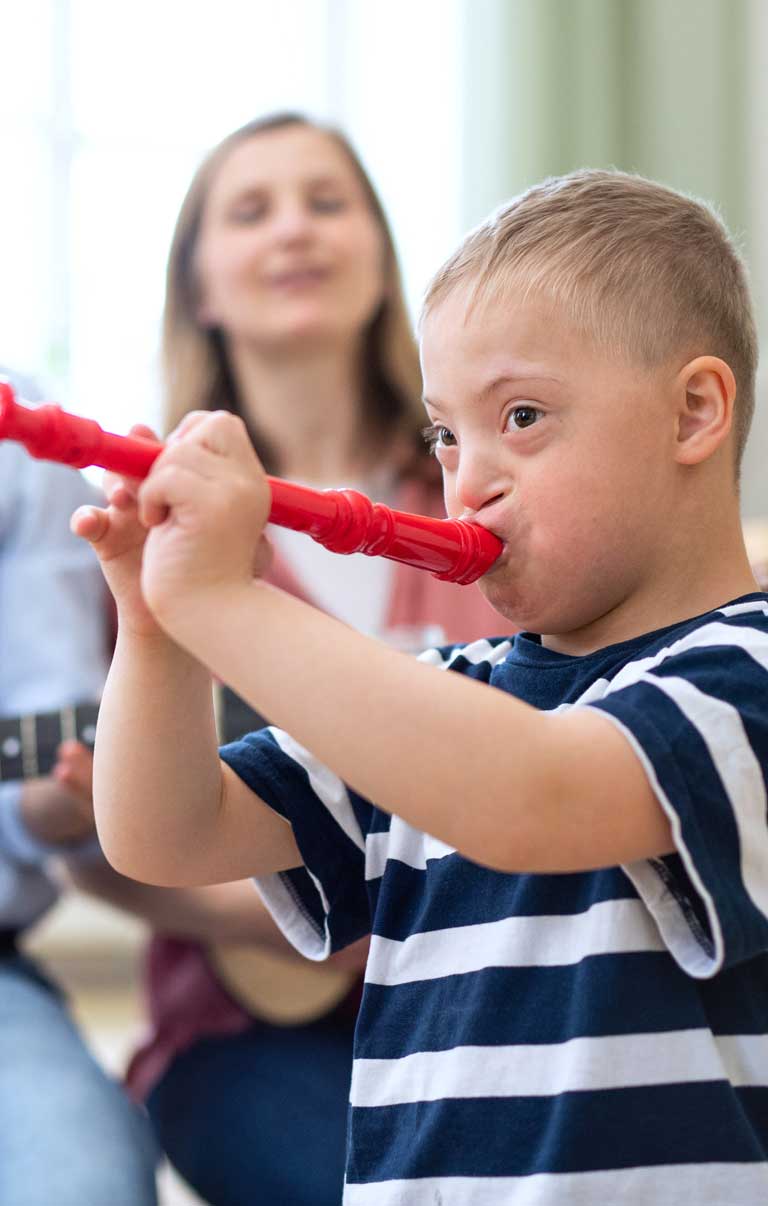
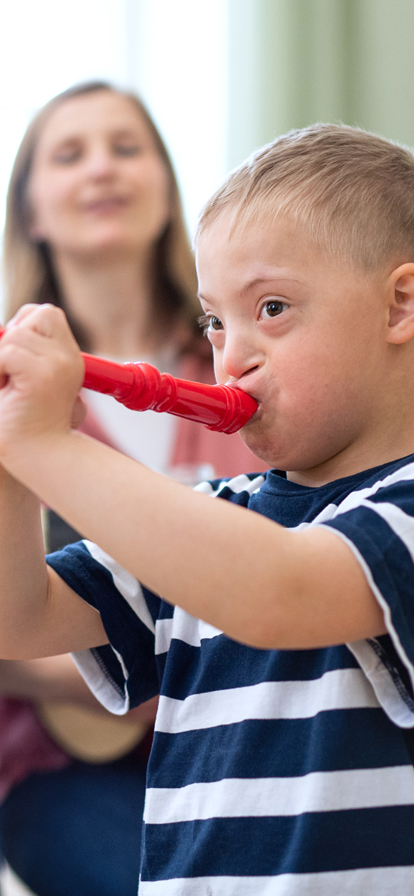
Music Therapy can either be a passive, or active intervention. It can involve listening to and responding to music, or actively participating in: playing instruments, making music, writing songs, singing, dancing, or learning music theory.
‘Music is therapy and has always been so’
Yehudi Menuhin
Establish Your Goals
To begin with, you will be required to sit down with a music therapist, to identify what you want to achieve from your Music Therapy classes. For example, if you’re experiencing anxiety, or depression, you may hope to use music to naturally improve your mood and overall sense of well-being. Depending on your mental capacity, this process may take time, but there’s no rush.
To begin with, you will be required to sit down with a music therapist, to identify what you want to achieve from your Music Therapy classes.
For example, if you’re experiencing anxiety, or depression, you may hope to use music to naturally improve your mood and overall sense of well-being. Depending on your mental capacity this process may take time, but there’s no rush.
“Music can heal the wounds that
medicine cannot touch.”
Debasish Mrihda
Music Therapy Is For All
Anyone can engage in music therapy; you don’t need a background in music to experience its beneficial effects. This form of treatment is particularly helpful for those who suffer with depression and anxiety, and may find it difficult to communicate their experiences through traditional talk therapy.
Anyone can engage in music therapy; you don’t need a background in music to experience its beneficial effects. This form of treatment is particularly helpful for those who suffer with depression and anxiety, and may find it difficult to communicate their experiences through traditional talk therapy.
“When words fail, music speaks.”
Hans Christian Anderson, prominent fairy-tale author
Get In Touch
For more information about Music Therapy, or other enquiries, please complete the form below and we will get back to you shortly. Tel: 01732 252557 | Email: contact@groovestarmusicschool-ac.uk
For more information about Music Therapy, or other enquiries, please complete the form below and we will get back to you shortly.